Top Ten Reasons to Practice Yoga
Yoga Releases Negative Emotions
This phenomenon has been affirmed by the Journal of Clinical Psychiatry. A recent study followed two groups of women who had been diagnosed with PTSD: one group attended a weekly yoga class, specially designed for them, and the other group attended a weekly education and support group. The researchers found that over half of the women who had attended the yoga class were free of PTSD, compared to a fifth of the women who attended the support group.
This special yoga class, called trauma-informed yoga, is taught by trained yogis with experience working with domestic violence and sexual assault survivors. Exhale to Inhale is an organization founded by Zöe LePage. Her vision to heal and empower women through yoga has grown into a network of organizations and yoga studios who have collectively served more than 900 women.
Trauma-informed yoga taps into what yogis have known for centuries: Yoga can help release emotions that burrow in the muscles of your body, which contributes to greater calmness, fluidity, balance, and emotional well being. And this is a good thing for every body!
Yoga Involves the Entire Being
Yoga Boosts Endurance and Sports Performance

Yoga as a Superior Form of Weight-Bearing Exercise
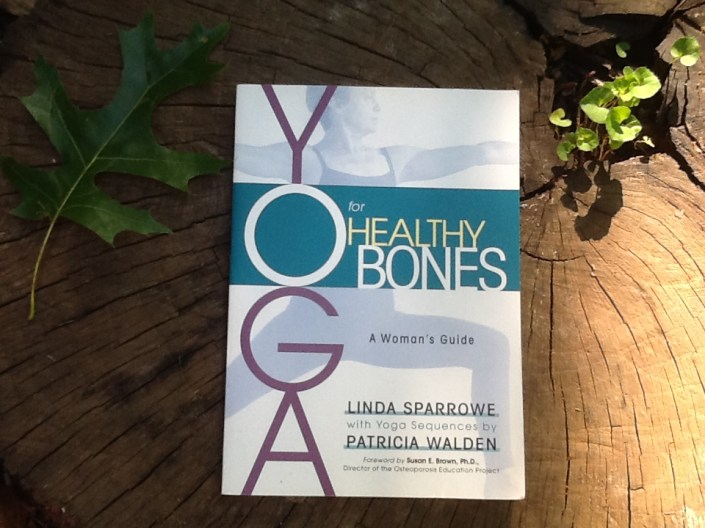
Everything we do for bone health should be good for the entire body. Given that the body is one single interwoven, intelligent system, every action we take to strengthen our bones should also be good for our entire body and as such will increase our overall health and enjoyment of life. This is the Better Bones, Better Body philosophy.
~ Dr. Susan E. Brown
Yoga to Slow Down the Aging Process
- Your balance will be increased.
- Your joints will be stretched and strengthened.
- You learn to breathe more deeply and mindfully.
- You’ll learn how to pay attention to your body.
- You’ll discover how to focus your thoughts on the present moment.
For bodies who come to the mat with stiffness and aches and pains, gentle guidance is available. Here’s your go-to resource for yogis in their 40s, 50s, and beyond: Lilias Folan’s book, Lilias! Yoga Gets Better with Age.

Yoga to Tone from Head to Toe
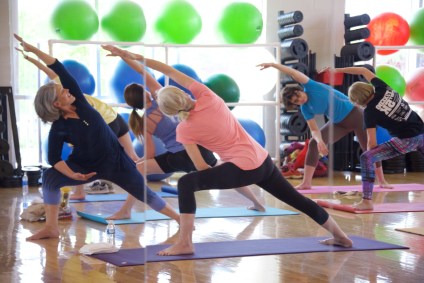
Yoga soothes and strengthens the back and firms, tones, and sculpts the entire body from head to toe. As you move through the poses being cued, you’ll use your big muscles for full body bends and stretches as well as many smaller muscles you may not think about day to day. With regular practice, whether you attend classes or build a home yoga practice, you will work every muscle in your body.
A full sequence of yoga asanas strives to work all sides of the body equally, with the goal of bringing balance from front to back and left to right. Yoga allows us to build strength by engaging particular muscle groups while keeping the mind relaxed and the breath flowing. We tone and sculpt the muscles by adding intelligent mindful movement. And we challenge ourselves to the point of fatigue but never pain.
A well-rounded asana practice consists of an equal number of forward, backward, and side-to-side stretches and at least one each of the following:
- A warm-up pose
- A balance pose
- A spinal twist
- An inversion
- A back-bending pose
- Deep breathing
- A cooldown pose
- Relaxation and meditation
Over time you’ll be able to challenge yourself in new and surprising ways and increase your endurance, strength, and flexibility. And you’ll experience the myriad other mental and emotional benefits of a yoga practice.
Yoga for Calm Control in a Non-Calm World
Yoga provides you with survival techniques to handle many aspects of our fast-paced world. You learn how to maintain calm control in the face of a dizzying array of demands.
Research shows that people who feel in control of their life are the happiest. In fact, as we get older and accumulate more strategies for coping with the problems in our life, we have higher levels of happiness and satisfaction. Yoga is one of those strategies.
How Can Yoga Help You Stay Calm?
- In yoga class, the focu
 s is on your breath. Breathing in and breathing out. Maintaining a slow, steady rhythm. So simple!
 - You move with your breath. Inhale, exhale, inhale, exhale. Your mind stays focused on one thing and one thing only: breathing. When your mind is completely focused on your breath, all of your other thoughts fall away. Ideally, you will experience a clear mind for the time you are in yoga class, and you’ll learn to do this in other times too.
- Yoga teaches you that if a stray thought comes along and interrupts you while you are stretching and flowing, you simply acknowledge that thought then gently send it on its way.
With practice, these three elements of yoga become ingrained. Like all habits, it takes time to really embed these practices. And you’ll have setbacks along the way, like everything in life. Yoga practice ebbs and flows, but it’s important to keep jumping back into it. With a regular yoga practice, you will discover how often you can return to your breath to maintain calm. Use your breath to clear your head, focus your thoughts, and redirect your energy.
So when you find yourself frazzled, rushed, or weary, take a few moments to breathe. Slow. And if you’ve ever taken a class with Jo, maybe you can hear her voice, “Make this the deepest breath you’ve taken so far.”
 Jo Walker Yoga